
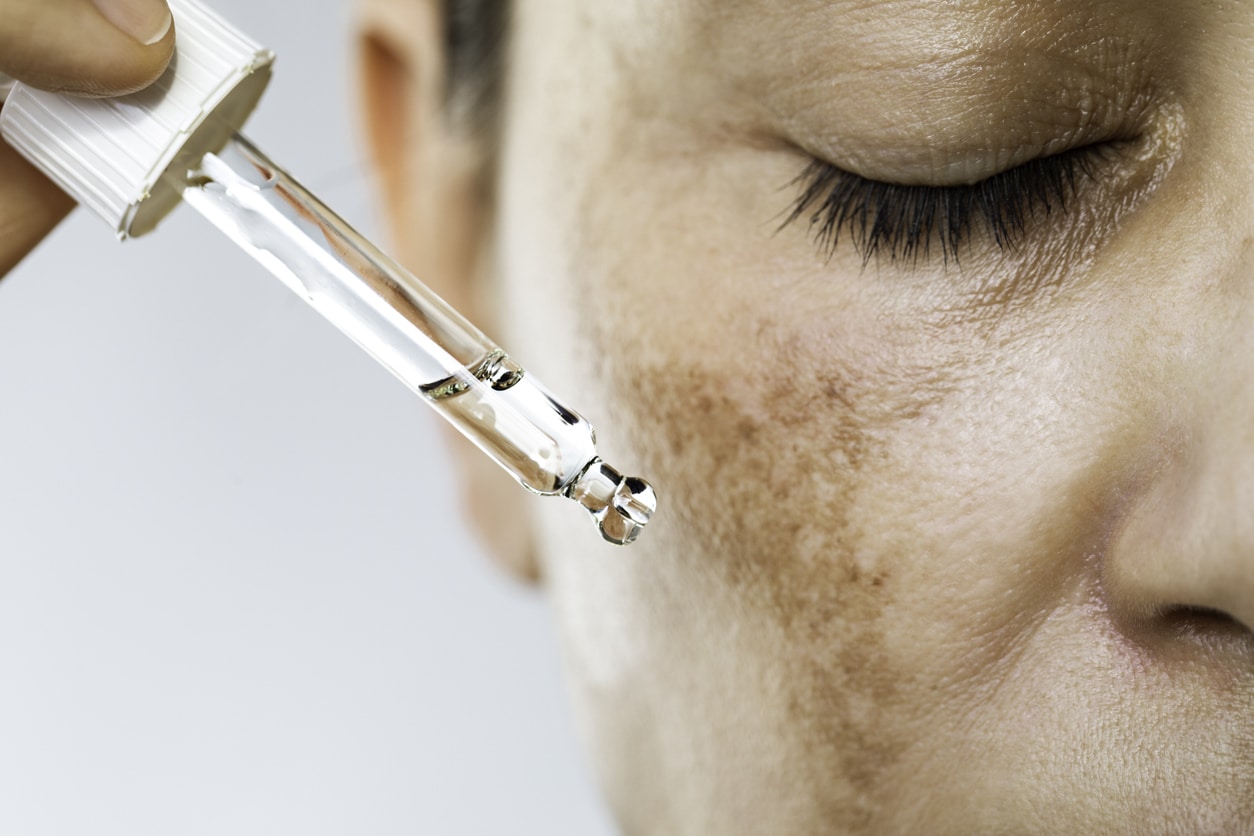
Pigment changes can be frustrating because they don’t always have one clear cause. A small brown mark after a breakout, scattered sunspots across the cheeks, and larger patches of melasma can all create uneven skin tone, but each may require different types of care.
Millefiori Aesthetics is a boutique medical spa in Melbourne, FL, co-owned by Iris Graham, MMS, PA-C, a NCCPA board-certified physician assistant with more than 10 years of injection certification and advanced training in aesthetic medicine. She is also certified in PicoSure laser services and continues to train in medical spa treatments and skin care products.
When you know what kind of dark spots you’re dealing with, it becomes easier to build a plan that supports clearer, brighter-looking skin.
What Are Dark Spots?
Dark spots are areas of extra pigment that appear darker than the surrounding skin. They may look brown, tan, gray, or reddish-brown, depending on your skin tone and the cause of the discoloration.
Dark spots may develop after:
- Acne breakouts
- Skin irritation
- Bug bites or scratches
- Ingrown hairs
- Unprotected sun exposure
- Certain treatments, if the skin is not protected afterward
When discoloration forms after irritation or inflammation, it may be called post-inflammatory hyperpigmentation. Some marks fade with time, while others need consistent skin care or in-office treatments.
How Sun Damage Shows Up
Sun damage often appears as scattered brown spots, uneven tone, rough texture, or a dull look. In Melbourne, FL, UV exposure can affect your skin year-round, even during routine errands or on cloudy days.
Sun-related pigment may show up on areas that get frequent exposure, including the following:
- Face
- Neck
- Chest
- Shoulders
- Hands
- Arms
Medical-grade skin care lines such as SkinCeuticals, SkinMedica, Stella Anti-Aging Skincare, and ALASTIN Skincare may help support brighter, healthier-looking skin when used with daily sunscreen. For some skin types and concerns, chemical peels, facials, or laser treatments may also be part of the plan.
What Makes Melasma Different?
Melasma usually appears in broader patches instead of small, isolated spots. It commonly affects the cheeks, forehead, upper lip, or chin. Hormones, heat, sun exposure, and genetics can all contribute.
Melasma can be stubborn because it may darken again when exposed to triggers. That means treatment usually takes consistency. A plan may include sunscreen, pigment-supporting products, gentle exfoliation, chemical peels, facials, or selected laser treatments when appropriate.
Finding the Right Plan for Dark Spots in Melbourne, FL
The right treatment depends on what is causing the pigment, how deep it appears, and how your skin responds. Millefiori Aesthetics in Melbourne, FL, can help you sort through dark spots, sun damage, and melasma with a skin care plan that may include medical-grade products and professional treatments. To schedule a consultation, contact us at 321-821-4778 or use our online booking system.